Sunday, December 11, 2022

The Effects of Visual Looking Patterns Caused by Covid-19

The Covid-19 Pandemic has caused massive problems around the world. Once issue that has resulted from the pandemic is how children have been effected when learning at home. In the article Wakefield et al. (2018), is was found that, "gesture helps learners learn, but not merely by guiding their visual attention." The pandemic brought online learning to many children and students around the globe had to adapt to a new learning environment. according to the National Assessment of Educational Progress, eighth-grade scores fell in 49 of the 50 states, with math being the subject being the most affected. Wakefield's research on the importance of gesture learning is directly related to this heighten emergency for learning. In The New York Times article (written by Sarah Mervosh) "Pandemic Learning loss" elaborates how students have been set back years due to remote learning environments.  Mervosh explains "in Ohio, researchers found that districts that stayed fully remote during the 2020-21 school year experienced declines up to three times greater than those of districts that mostly taught students in person." This connection to in-person gesture learning and online class could have drastic effects for students at all levels.

In Wakefield et. al (2018), the main findings highlighted that children watching their instructor use hand movements better help allocate their instructor use hand movements better help allocate their visual looking patterns. First, It was found that "children look more to the problem and gesture space and are better able to follow along with ambiguous instruction." The second main discovery was that there is a complex relationship between gesture and visual attention in which gesture moderates the effect of visual looking patterns on learning." Wakefield's findings are very relevant today in explaining the cause of lower math scores resulting from the pandemic. Wakefield during her experiments also used math as the main focus of learning for the children being subjected to testing and used an eye tracker to show where their focus would attend to. Mervosh emphasizes that out of all the subjects math was the subject that was affected while reading seemed to show no correlation to online learning environments. Mevosh a the end of her editorial explained that a big difference in learning was seen with how socioeconomic status was the biggest factor to decline in learning. Harvard and Stanford researchers found that two school districts of different wealth, rich vs poor, had differences in their scores. Both the schools were "spending roughly the sam amount of time attending classes remotely, students in the wealthier Cupertino district actually gained ground in math, while students in poorer Merced City fell behind." There is of a course a larger context to declining scores, but is interesting how Wakefield's work on visual learning patters could be 
small detail in a bigger story of Covid-19 pandemic.

 The changes in behavior that came about from the Covid-19 pandemic have already caused drastic problems around the globe. Learning for children and students has been disrupted and has shown short effects already. Time will tell if the long term effects will lead to a less educated population that already struggles with attention. The power of the online learning has its positives with being flexible, but the human behavioral factor will be severely altered. Learning is directly connected to a behavior which is the base of Wakefield's findings. The Covid-19 pandemic has only widen the gap of school inequities and the loss of in-person learning has severely affected the ability for students to learn.


The New York Times Article: Pandemic Learning Loss

Research Article: Wakefield E, Novack MA, Congdon EL, Franconeri S, Goldin-Meaddow S. Gesture helps learners learn, but not merely by guiding their visual attention. Dev Sci. 2018 Nov;21(6):e12664. doi: 10.11111/desc.12664.Epub 2018 Ape. 16 PMID:29663574; PMCID: PMC6191377.


Saturday, December 10, 2022

Circadian Rhythm & Neurological Disorders

        Circadian rhythm is the body’s “biological clock” that allows humans (and animals) to induce behavioral and physical changes while following a near twenty-four hour cycle. This cycle is a natural process that regulates our sleep and awake habits. The daytime exposure to light causes the clock to send messages that encourage wakefulness. As night falls, the biological clock starts to send signals that help keep us asleep throughout the night, increasing the manufacture of the hormone melatonin, which helps regulate sleep. By synchronizing our sleep and awareness with day and night, our circadian rhythm establishes a consistent schedule of restorative sleep that enables more daytime activity. The 24-hour natural cycle of the Earth is maintained, keeping the circadian rhythm in synchrony. Intake of food and degree of activity are two additional environmental cues that could synchronize the circadian rhythm. This procedure, however, is susceptible to several interruptions. Outcomes like jet-lag, daylight savings, and extreme shifts during work can sabotage our circadian rhythm. Thus leading to certain degrees of insomnia, narcolepsy, etc. Yet, with all this information on our sleeping/awake “clock”, is our circadian rhythm just a process to keep us in line and on a strict path of staying awake/asleep during hours, or is there something deeper below the surface?

Relating this back to a class speaker we had in November, Dr. Ravi Allada came to talk about sleep and circadian programming. In the article, “Circadian programming of the ellipsoid body sleep homeostat in Drosophila”, Dr. Allada and team experimented on planned brief lack of sleep in Drosophila at varying periods of the day and found that morning recovery was better than nighttime restoration (Andreani et al. 2022). The presynaptic protein BRUCHPILOT and the "clock" neurons, which tell us whether it is day or night, both showed levels of gene expression that were greater in the morning, which is consistent with clock circuit control. According to the time-dependent sleep rebound observed, the calcium levels in such cells rise in response to early sleep loss but not in the evening. These investigations provide information on the biochemical and circuit mechanisms that regulate a homeostatic slumber center through various circadian clock neurons. This study was eye opening in determining great ways to recover from lost sleep, and how we can manage/learn more about what occurs during sleep on a molecular level. Yet, it doesn’t tell us what happens when that lack of sleep adds up, and over time what neurological deficits will come into play. 

To help supply some new insight on what negative disruption to our circadian rhythm can do to our mental and physical health, there was a scientific article published in 2020. In the article, “Circadian rhythm disruption and mental health” by Dr. Walker et al. brought up in the article how a number of mental diseases, such as major depression, bipolar disorder, anxiety, and schizophrenia, are associated with altered circadian rhythms. While disruption of circadian rhythms caused by jet lag, night shift work, or exposure to artificial light at night can cause or worsen affective symptoms in those who are susceptible, mood disorders are frequently linked to disrupted body clock timer responses, such as sleep and cortisol secretion. Strong correlations between the circadian system and mental health have been shown by research, but only recently have investigations into the direct connections between the sleep - wake cycle and mood regulation started. They concluded that, while rhythmic disruption cannot be the only factor contributing to mental illness, it may trigger or aggravate symptoms in people who are predisposed to mental health issues.

Tying in our speaker Dr. Allada from class, and from the article pulled with Dr. Walker et al., I found a news article titled, “Maintaining a daily rhythm is important for mental health, study suggests”, shedding light on what occurs to the human body when our circadian rhythm is out of its regular patterning. In the study, nearly 91,000 adults from the United Kingdom were examined for abnormalities in their daily sleep-wake cycles, or circadian rhythms (Lieber 2018). It utilized an accelerometer, a gadget worn on the wrist that records daily activity levels, to measure these interruptions. The study's findings showed that people with more circadian rhythm disturbances, which are characterized by increased engagement at night, reduced movement during the day, or both, were much more likely to exhibit symptoms of major depression or bipolar disorder. Based on a machine reaction time test, they were also significantly likely to have lower levels of wellbeing and lower cognitive performance (Lieber 2018). Even after adjusting for a number of determining factors, such as age, sex, lifestyle, education, and body mass index, the results remained consistent. Senior research partner, Dr. Doherty at the University of Oxford stated, “Previous studies have been very small, or relied on self-report measures. However, this study used objective device-based measures in over 90,000 participants; and then linked this information to standard measures of mood disorders, subjective well-being, and cognitive function.” Dr. Doherty brought up points of how this normal sleep study actually had amazing outcomes whilst looking into mental illnesses/disorders. Resulting in our circadian rhythm having more significance to us than we might have thought of before. 

Overall, the topic of our circadian rhythm is relatively new to this century, and is ever evolving with new information to inform us about its world of benefits and its drawbacks. As college students, we can take this information and allow us to do better in school, and prepare for the real world, without having degradations to our mental health. The endless opportunities to dig deep into our sleep cycle have begun, and I cannot wait to see where we go from here. 


Works Cited

Lieber, Mark. “Maintaining a Daily Rhythm Is Important for Mental Health, Study Suggests.” CNN, Cable News Network, 15 May 2018, https://www.cnn.com/2018/05/15/health/circadian-rhythm-mood-disorder-study. 

Tomas Andreani, Clark Rosensweig, Shiju Sisobhan, Emmanuel Ogunlana, William Kath, Ravi Allada (2022) Circadian programming of the ellipsoid body sleep homeostat in Drosophila eLife 11:e74327

Walker, W.H., Walton, J.C., DeVries, A.C. et al. Circadian rhythm disruption and mental health. Transl Psychiatry 10, 28 (2020). https://doi.org/10.1038/s41398-020-0694-0


Want Your Beauty Sleep? Watch What You Eat!

When you hear your doctor nag you about what you should and should not be eating, they have a valid point. The kind of food and how much you eat play significant roles in various aspects of health. Diets, whether good or bad, affect all organ systems. The integumentary, musculoskeletal, cardiovascular, reproductive, and endocrine systems are all broad examples. For years researchers have been studying the relationships between our bodies and food. To this day are still making new and significant revelations that benefit us. Their findings are important because we must stay educated and up-to-date on what keeps us healthy! One surprising fact about the importance of diet is that it affects our nervous systems more than one typically thinks. It is hard to grasp at first but becomes slightly obvious when one remembers that the brain is the body's powerhouse. All our organs rely on our brain, and if one is not giving the brain its proper nutrients, everything goes downhill. With the body beginning to shut down due to the lack of vital nutrients, metabolism, hormone imbalance, and even sleep difficulty are all affected. Sleep and diet go together hand in hand as they have a direct relationship with one another. 

As mentioned, a plethora of modern-day researchers study the relationship between food and sleep. One paper in particular that studies the relationship between nutrition in diets and sleep disruption is by Samuel J. Bowers et al., titled “A Prebiotic Diet Alters the Fecal Microbiome and Improves Sleep in Response to Sleep Disruption in Rats.” Bowers and his team discuss the issues of sleep deprivation and disruption as the issue in their paper they are trying to study and resolve. They also claim (as many other studies do) that sleep deprivation leads to many health issues. That inspires their research on whether the minimization of sleep deprivation and restoration of sleep is possible in mammals (Bowers et al., 2022). To test those questions, Bowers and his team develop a hypothesis that tests to see if implementing supplements with prebiotics in the diet of male rats will treat their sleep deprivation (Bowers et al., 2022). The prebiotics used are galactooligosaccharides (GOS) and polydextrose (PDX). Their research consists of running experiments with a control group (male rats consuming their regular diets in similar environmental settings) and an experimental group (male rats on the prebiotic diet). They observed that with the experimental group, there were increases in NREM and REM during sleep and that during sleep disruption, the mice succeeded in staying asleep (Bowers et al., 2022). They also observed a change in the fecal microbiome (Bowers et al., 2022) that shows that the nutrients were present in the mice’s systems. Bowers and his team displayed that it is possible to aid sleep by implementing better nutrients in the diet of rats. Now rats are not the only ones who benefit from better sleep with a better diet. Humans do too. Some researchers make similar observations as Bowers and his team but on humans instead.

In a news article titled “Can your eating habits affect the quality of your sleep?” published by The Indian Express, the article takes research done at John Hopkins and discusses what foods should and should not be eaten throughout the day for better sleep. Foods that are spicy, acidic, high in carbohydrates, and low in protein, are not ideal because they cause distress to the stomach and lead to disturbances in sleep (The Indian Express 2022). The article also mentions that there are solutions to sleep better at night. However, those solutions relate to our diets, so it is important to know both what and when you should eat. Protein-rich foods are a good choice to eat before bed. When we sleep, our muscles go into a catabolic state and feed on themselves to gain nutrition and recover (The Indian Express 2022). Complex carbohydrates also prove to have positive effects on sleeping ability. Consuming carbohydrates like oats and wheat both digest easily and release hormones, so eating them before can contribute to a better night’s rest (The Indian Express 2022). These findings relate to what Bowers and his team discuss in their research paper. Including important nutrients in the diet are necessary not only for the health of our organs and bodily systems but for our sleep as well. It is important to eat well to sleep well and sleep well to be well.

Now the point of this blog is to educate on the benefits of a balanced diet with proper nutrition when it comes to sleep. Food is important. Diet is important. Trust me, we all want to look like beauty queens, so one way to get started is by considering the factors that contribute to good beauty rests. Eating better helps you sleep better, and sleeping better helps you feel better and look better! Also, it is critical that you maintain a healthy relationship with food. That also is vital for your brain and the rest of your body. I hope this blog can give you some insight into not only feeling better but looking better too. We all have to start somewhere. Soon enough, if you repair your sleeping habits with the proper diet, you will get all the stares from people as you walk by.


Works Cited

Bowers, Samuel J., et al. “A Prebiotic Diet Alters the Fecal Microbiome and Improves Sleep in Response to Sleep Disruption in Rats.” Frontiers in Neuroscience, vol. 16, 2022, https://doi.org/10.3389/fnins.2022.889211. 

“Can Your Eating Habits Affect the Quality of Your Sleep?” The Indian Express, 19 Nov. 2022, https://indianexpress.com/article/lifestyle/health/how-do-eating-habits-affect-your-sleep-8146673/. 


Thursday, December 8, 2022

Treatments for Multiple Sclerosis: Evaluation of the Therapeutic Efficacy and Tolerability of Ocrelizumab

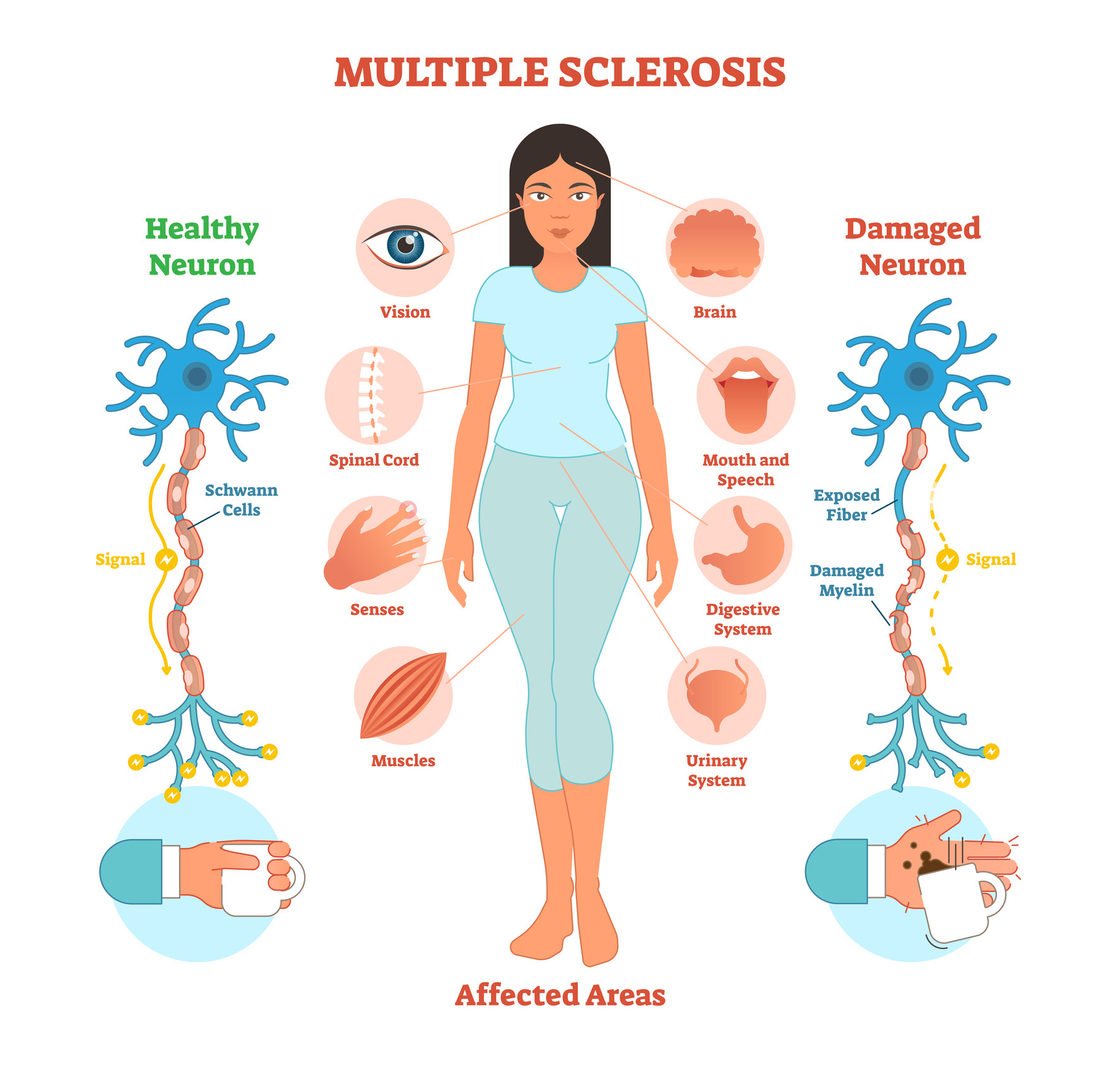
     Multiple Sclerosis (MS) is a chronic neurodegenerative disease that has affected the lives of 2.3 million individuals worldwide, as of 2022.  In the United States, MS affects a little over one million people, and it is the leading cause of non-traumatic neurological disability in young adults. The pathogenesis of MS reveals that it is an immune-mediated demyelinating disorder in which the immune system misidentifies myelin in the central nervous system as a foreign object and attempts to destroy it. Furthermore, the disease is characterized by oligodendrocyte cell loss which prevents the possibility of remyelination. The disease's symptoms are not universal, as many people have had various neurological deficits. There are two types of MS: relapse-form and progressive-form. Most MS patients will experience Relapsing-Remitting MS (RRMS), which is characterized by neurological deficits for a period of time followed by recovery (“Introduction to MS - Progression” 2022). The duration of neurological symptoms varies between individuals. A majority of RRMS patients will enter another disease phase during the disease progression called Secondary-Progressive MS (SPMS) (“Introduction to MS - Progression” 2022). SPMS is characterized by increasing (irreversible) neurological deficits unrelated to relapses and a worsening of health from onset. Of those patients who have SPMS, 10 percent will have Primary-Progressive MS (PPMS) where they never have disease “attacks” (“Introduction to MS - Progression” 2022). Axonal degeneration is primarily responsible for the irreversible neurological functional decline in most MS patients. There is no cure for this disease at the moment, but disease-modifying therapies (DMTs) are widely used to treat MS patients. The current treatments address the symptoms, attempt to reduce relapses, and postpone disease progression. 

     During Dr. Yanan Chen’s talk on Sephin1, Which Prolongs the Integrated Stress Response, is a Promising Therapeutic for Multiple Sclerosis, she had mentioned that the oligodendrocyte-protective nature of the molecule Sephin1 could be utilized as a potential therapeutic to slow down disease progression. Currently, there are only 15 FDA-approved DMTs for RRMS; however, patients with SPMS have only three options (Collazo 2022). Patients with PPMS now have an option as the newest medication for PPMS and RRMS was approved by the FDA in 2017. This DMT has been on the market for around five years, and so Dr. Yvette N. Lamb investigated therapeutic efficacy and the safety of Ocrelizumab (Ocrevus®) on PPMS and RRMS patients (Lamb 2022).

Ocrelizumab, sold in the market under the brand name of Ocrevus, “humanized anti-CD20 monoclonal antibody” which is administered intravenously in patients who qualify (Lamb 2022). The medication is attempting to achieve the eradication of three clinical symptoms of MS. The first goal is to delay the clinical progression in patients with PPMS (Lamb 2022). The second goal is to reduce relapses, delay disease progression, and reduce inflammatory responses in RRMS patients (Lamb 2022). The third goal is to maintain the same clinical therapeutic efficacy even after long-term treatment use (Lamb 2022). 

     In order to test the therapeutic efficacy, Dr. Lamb designed two separate experiments, one for RRMS patients and the other for PPMS. In a randomized, and double-blind experimental design, RRMS patients either received 600 mg infusions of Ocrelizumab or subcutaneous interferon β-1a 44 µg for 96 weeks (Lamb 2022). To establish a baseline, each individual took a test to determine where they were on the Expanded Disability Status Scale (EDSS), an MRI scan to ensure brain abnormalities are consistent with those of RRMS patients and no neurological deficits in the 30 day range prior to the experiment. Results from this experiment revealed that Ocrelizumab had “significantly reduced the annualized relapse rate” in comparison to the subcutaneous interferon β-1a 44 µg (Lamb 2022). In addition, Ocrelizumab also significantly improved disabilities as scores of the EDSS were lower than baseline. Also there was little change in the MRI scans from baseline (Lamb 2022). After long term use of the treatment delivered intravenously, the tolerability and safety of the medication was determined through observations. It was seen as tolerable and safe as the side effects of both Ocrelizumab and subcutaneous interferon β-1a 44 µg were at the same levels indicating that the DMT was tolerable and safe for long-term usage (Lamb 2022). RRMS patients did suffer from mild “infections such as upper respiratory tract infection, nasopharyngitis and urinary tract infections” during the initial use of Ocrelizumab but adjusted easily in later infusion treatments (Lamb 2022). 

     In a randomized, and double-blind experimental design, PPMS patients either received 600 mg infusions of Ocrelizumab or a matching placebo every 24 weeks for 120 weeks (Lamb 2022). To establish a baseline, each individual took a test to determine where they were on the Expanded Disability Status Scale (EDSS), Functional Systems Scale test and IgG index test and PPMS patients must have had MS symptoms for less than 15 years prior to the experiment. Results from this experiment revealed that Ocrelizumab had efficacy in delaying the clinical progression of PPMS in comparison to the placebo (Lamb 2022). The tolerance and side effects seen were the same for both Ocrelizumab and the placebo indicating that Ocrelizumab is well tolerated and safe after 120 weeks of intravenous deliverance. Furthermore, there was little to none in PPMS patients who had progression or treatment discontinuation due to an adverse infusion-related reaction (Lamb 2022). 

     
     This medication can be utilized by patients who have an active RRMS or patients who have early PPMS (Lamb 2022). Although the exact underlying biological mechanism of ocrelizumab's therapeutic benefits in MS patients is unknown, further research could provide more insights into a potential cure for PPMS and RRMS. People's lives are at stake, which should motivate us neuroscientists to conduct more diligent research into this incurable disease. 


References 

Collazo, Dr. Irin M. "Emerging Treatments for Multiple Sclerosis." Mayo Clinic, 14 July 

        2022, https://www.mayoclinic.org/diseases-conditions/multiple-sclerosis/expert- 

        answers/emerging-treatments-for-ms/faq-20096786. Accessed on 1 Dec 2022. 


"Introduction to MS - Progression." My MS, 2022, https://my-ms.org/ms_progression.htm. 

        Accessed on 1 Dec 2022.


Lamb, Yvette N. "Ocrelizumab: A Review in Multiple Sclerosis." Drugs, vol. 82, 22 Feb 2022, 

        pp. 323-334, https://doi.org/10.1007/s40265-022-01672-9. Accessed on 1 Dec 2022. 

Wednesday, December 7, 2022

Catching the Zzzs: The Importance of Sleep

Years ago, Nelson Mandela famously said, "our children[including teenagers] are the rock on which our future will be built, our greatest asset as a nation" since they will be the emerging leaders, promotors of wealth, and stand to protect the people. While this statement is true, it is ironic given that the majority of American teenagers aren't getting the appropriate amount of sleep to appropriately learn and function in our society. This issue enraged Lisa Lewis, a mother of two in California, who noticed the sleep issue beginning to disrupt her own children.  When driving her son to school, which started at 7:30 am, she constantly noticed him falling asleep in the backseat and being completely worn out when coming home. She wanted to find out what was causing him to feel lethargic and make a change that could help him and other kids like him. 

Given the 2019 CDC reports, that less than 31% of teens are getting 8 hours of sleep, teenagers are definitely not receiving the appropriate rest. Yet, teenagers actually need between 8 and 10 hours of sleep, which is more than fully functioning adults. Lewis wanted to understand the reason for this phenomenon. She found that  during puberty, the circadian rhythm of a teenager shifts, which in turn also shifts their body clock to a later schedule. This means that teenagers prone to waking up later and staying up later. Additionally, melatonin, which promotes sleep, tends to be released and recedes later in a teenager's  body later than in an adult's body. With this information, it is clear that teens should be getting between eight to ten hours in order to function appropriately. With high schools starting class as early as 7 am, this lends itself for disaster for teens. This led Lewis to author a bill that mandates healthy secondary school starts times, requiring all middle schools to start after 8 am and all high schools to start after 8:30 am. This bill has been designed for California state legislation, and is modelled around the few, similar bills have been successful in areas like Seattle. 

While Lewis does have preliminary evidence regarding the issue of sleep deprivation, it can be further proven on a neurobiological basis. From earlier studies we have known that extended wakefulness can cause increased sleep deprivation regardless of time. Yet, in a new study, Dr. Ravi Allada investigated the interactions of the circadian system and homeostatic systems in sleep regulation. In his paper, Circadian programming of the ellipsoid body sleep homeostat in Drosophila, researchers examined the role of the circadian clock genes in relation to sleep rebound. By using scheduled sleep deprivation with Drosophila flies, they measured the baseline sleep, sleep loss, and sleep gain to better understand how the flies maintained control during sleep deprivation. They found that specific clock neurons are affected by sleep buildup that can occur if one does not sleep well or receive enough sleep. With this information, they were able to conclude that homeostatic rebound is higher in the morning than in the evening. This provides clear evidence for why schools should begin later, since we need to morning time to effectively rebound and fully rest to prepare for our day.  

With all the benefits of delayed school-day start time, hopefully, this bill will have a positive effect in California and extend across various states and districts in the country. Starting school after 8:30 would allow teens to get more, needed rest. This would in turn have great benefits to teenagers: emotional resilience, enhanced performance in school and other activities, better physical and mental health, to name a few. It would provide both personal and societal benefits, since teenagers are the ones who fuel our future. 

Work Cited

Andreani, Tomas, et al. “Circadian Programming of the Ellipsoid Body Sleep Homeostat in Drosophila.” 
eLife, vol. 11, 2022, https://doi.org/10.7554/eLife.74327.

Villano, Matt. “Teens Are Facing a Sleep Deprivation Epidemic. Here's Why.” CNN, Cable News Network, 8 June 2022, https://www.cnn.com/2022/06/07/health/teen-sleep-deprivation-wellness/index.html. 

Importance of Reconsolidation in relation to PTSD

 Post-traumatic stress disorder (PTSD) has plagued society over many years. Whether it be caused by aggravated crimes, traumatic abuse, or military violence, the issue of PTSD is not dissipating. 

The most prevalent instance of PTSD today is the ongoing war in Ukraine. Soldiers are fighting to retain their borders and suffering brutal carnage in the process. Members of the Ukrainian military have been stepping forward to bring attention to the mental struggles they are collectively facing. While discussing these issues with AP News, the topics of night terrors, anxiety, and anger riddled the conversation (Leicester, 2022). Treatments for those suffering from PTSD were framed as helpful in some ways, but barbaric in others. Descriptions of treatment ranged from mindfulness exercises and yoga to tranquilization and psychiatric medication. It seems, from the recipients, that the variability of ailments displays a lack of clear direction. 

            While the topics of war-plagued militaries typically revolve around mental health, the question of veterans’ physical health due to this stress disorder has begun to enter the conversation. In a recently published research article, Hawn et al. (2022) found that there may be a biological component of PTSD that can impact health. As noted in the article, the genetic impact of PTSD can cause accelerated aging. From this, the impact of PTSD can lead to early death not only from external factors (suicide, substance abuse, etc.), but from internal factors as well. With this advanced aging in mind, veterans are being subjected to an even greater amount of negative effects from the battlefield. New research and treatments for those afflicted will not only aid the psyche, but the body as well.

In the ever-growing field of memory research, Grella et al. (2022) described methods of memory reconsolidation by which fear conditioning can be disrupted. In the experiment, mouse models were artificially manipulated via optogenetics to reactivate neurons in the dorsal dentate gyrus (dDG) after a traumatic event. The result of the study’s successful reconsolidation allowed for a quicker loss of the conditioned fear engram when paired with a positive stimulus. Although this finding cannot be applied to humans just yet (due to invasive techniques), implications can be translated to the world of PTSD by providing hope for future research. By demonstrating positive results of reconsolidation targeting the dDG, researchers focused on aiding those suffering from PTSD may be inclined to broaden their scope of manipulation. 

            Bringing this research back to the matter at hand, PTSD does not solely negatively affect the mental, but also the physical. As the war between Ukraine and Russia continues, the number of military members experiencing trauma is not dwindling. Research on ways to better treat and understand this serious disorder may not only save thousands of lives abroad, but also help those who experience PTSD in our country as well. 


Works Cited:

Grella, S.L., Fortin, A.H., Ruesch, E. et al. Reactivating hippocampal-mediated memories during reconsolidation to disrupt fear. Nat Commun 13, 4733 (2022). https://doi.org/10.1038/s41467-022-32246-8

Hawn, S.E., Zhao, X., Sullivan, D.R. et al. For whom the bell tolls: psychopathological and neurobiological correlates of a DNA methylation index of time-to-death. Transl Psychiatry 12, 406 (2022). https://doi.org/10.1038/s41398-022-02164-w

Leicester, J. (2022, December 1). 'Do something:' Ukraine works to heal soldiers' mental scars. AP NEWS. Retrieved December 5, 2022, from https://apnews.com/article/russia-ukraine-kyiv-health-europe-veterans-affairs-811a986e0e9a202d8eb32b16f6730e4c

Friday, December 2, 2022

The Impact of Estrogen on the Brain

    Neuroscience research has had a huge impact on how we understand the human body. Through this research, scientists have discovered many different functions of the brain, leading to new therapies and monumental discoveries about how we, as human beings, function. Scientists have also been able to develop new techniques to treat illnesses and diseases by finding out their various root causes in the brain. Unfortunately, these “root causes” and discoveries are often difficult to elucidate from person to person and differ in varying populations. One large gap in knowledge in the biomedical research industry is a lack of research on women. 

    Women have historically been excluded from many research projects, specifically involving neuroscience, due to fluctuating hormone levels. This has led to an enormous gap in knowledge on how to treat and cater care to women (Martin, 2022). Recently, research has finally begun in regard to key hormones that may have a large impact on the brain, and how fluctuating levels of these hormones during menstruation, pregnancy, and menopause can influence brain functioning (Martin, 2022)

    Progesterone (P4) is one hormone prevalent in women that plays an essential part in stroke recovery (Nguyen et al., 2018). P4 activates various learning and memory pathways by increasing brain-derived neurotrophic factor (BDNF) levels. BDNF has been shown to aid neuronal growth by helping neurons form new synaptic connections and increasing cross-talk between neurons. BDNF is extremely important in stroke recovery as it helps neurons form connections to ameliorate neuronal damage (Nguyen et al., 2018). P4 has also been shown to fluctuate in women whether it is during the menstrual cycle or because women are taking some form of birth control.

    Another hormone that has been central to female development was discovered to play a similar role as P4 in the brain. Estrogen has also been found to protect neurons through increasing levels of BDNF. Going further, researchers modeled an environment similar to menopause in mice to study estrogen and its effects on learning and memory. Researchers studied mice without ovaries (no estrogen production), mice with ovaries, and mice without ovaries but with hormone supplements (Nguyen et al., 2018). When these mice were tested for their learning capabilities, mice without ovaries did significantly worse than mice with ovaries and mice with hormone supplements. This research has devastating implications for women going through menopause and forgoing hormone therapy. While great headway is being made in investigating how hormones like P4 and estrogen impact the brain in mice, it is time to study these hormones in the human brain.

    Frustrated with a lack of information regarding women’s brains, a new study, 28 and me, began to accumulate data on hormonal changes occurring during a woman’s menstrual cycle and how those changes relate to the brain. In this study, women’s brains were imaged using fMRI each day for 28 days (Martin, 2022). Results found that when estrogen levels peaked during ovulation in the menstrual cycle, networks in the brain, specifically the default mode network, became more active and increased connections. The default network, while still being researched, is a network in the brain thought to contribute to remembering, daydreaming, and thinking about the future. When P4 levels increased after ovulation, gray matter structures tied to learning and memory expanded. Interestingly, when one of the women returned to the study after being on birth control for a year, which reduces P4 levels, the increases in gray matter were not observed throughout the 28 days. Clearly, the brain is largely influenced by fluctuating hormone levels. So what implications could this have on the impacts of menopause and hormonal shifts during menstrual cycles that were not previously studied? 

    One large impact that is yet to be explored is the way menopause can change the brain’s structure through hormones, or lack thereof, as foreshadowed by the previous study. As with the mice, in women who have gone through menopause and have decreased levels of estrogen, there tends to be a propensity for forgetfulness and an inability to concentrate (Russell et al., 2019). Decreased estrogen levels also lead to various mood disorders and increased sleep issues. In fact, lowered levels of estrogen are related to Alzheimer’s disease, schizophrenia, and depression. Furthermore, when looking at the effects of menopause on a smaller neuronal layer, lower estrogen levels are related to “reduced dendritic spines, decreased synaptic density, decreased numbers of specific synapses…changes in connectivity…” (Russell et al., 2019).

    Treatment for menopause that may immediately come to mind includes increasing the amount of estrogen circulating in the body, or hormone therapy. Similar to what the hypothesis would be, groups of women post-menopause that took artificial estrogen have seen benefits including increases in synaptic density in select areas of the brain. However, there is a certain window of opportunity that must be taken into account when using hormone therapy as a treatment. When that window of time to treat women has passed, hormone therapy will have little to no effect. This is especially true in women who may develop Alzheimer's in part due to a lack of estrogen or P4, as hormone therapy will not be an effective treatment after Alzheimer’s has already taken root in the brain.

    Overall, additional research is still needed to elucidate the long-term effects of hormone therapy, birth control, menopause, and the menstrual cycle on the brain. It is also crucial to inform women of the power of hormone therapy and the risks of not having enough natural hormones circulating in one’s body. Additionally, it is essential to begin studies across various populations including women, to help make new and effective treatments for tragic diseases such as Alzheimer’s that are linked to hormones such as P4 and estrogen. Fortunately, with hormone therapies now starting to become possible treatments for disorders like depression and Alzheimer’s, women are finally getting the care they deserve from the neuroscience community.


Works Cited

Martin, Cassie. “Emily Jacobs Wants to Know How Sex Hormones Sculpt the Brain.” Science News, September 29, 2022. https://www.sciencenews.org/article/emily-jacobs-female-brain-sn-10-scientists-to-watch.

Nguyen, Trinh, Chang Su, and Meharvan Singh. “Let-7i Inhibition Enhances Progesterone-Induced Functional Recovery in a Mouse Model of Ischemia.” Proceedings of the National Academy of Sciences of the United States of America 115, no. 41 (October 9, 2018): E9668–77. https://doi.org/10.1073/pnas.1803384115.

Russell, Jason K., Carrie K. Jones, and Paul A. Newhouse. “The Role of Estrogen in Brain and Cognitive Aging.” Neurotherapeutics 16, no. 3 (July 2019): 649–65. https://doi.org/10.1007/s13311-019-00766-9.